WTI + Brent, front to Apr 2027
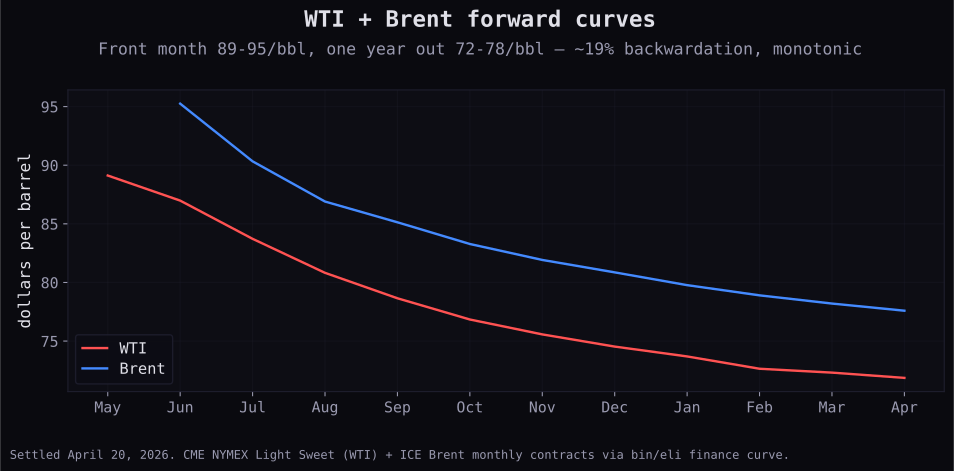
WTI May $89.52 → Sep $78.85 (−12%) → Dec $74.72 (−16%) → Apr27 $72.36 (−19%). Brent runs two dollars higher on the same shape. The back end is the equilibrium.
WTI May $89.52. September $78.85. December $74.72. April 2027 $72.36. The futures curve is pricing this week's escalation as a five-month event.
WTI May $89.52 → Sep $78.85 (−12%) → Dec $74.72 (−16%) → Apr27 $72.36 (−19%). Brent runs two dollars higher on the same shape. The back end is the equilibrium.
Oil is up four percent today on the Hormuz escalation. Brent up five. Equity oil names went along for a fraction of the ride — XLE +0.8%. That's the tape of a forty-hour event. The futures curve ran twenty-seven months ahead and called a different answer.
September WTI prints $78.85 — about half the war premium already discounted. December at $74.72 is a sixteen-percent fade from the front. By April 2027 the contract sits at $72.36 and barely moves further: May27 $72.23, June $71.85. That's the structural floor the futures market believes in.
Brent runs the same shape two dollars higher. The spread between the two benchmarks collapses to $3.47 at April 2027 — roughly the US-Gulf-to-Rotterdam freight cost. There's a mechanical reason: per Platts's May 2023 methodology change, more than seventy percent of Dated Brent price-setting cargoes are WTI Midland delivered to Rotterdam by ship-to-ship transfer. Far out on the curve, WTI and Brent are increasingly the same barrel.
The realized-vol split corroborates the shape. Front-month WTI prints 81% annualized vol right now. December 2026: 42%. April 2028: 28%. Every unit of risk sits in the first six months.
The equity options market is not positioning for a dovish-Warsh bounce tomorrow. It's positioning for a week of digestion.
QQQ Friday expiry prints a 3.41 put-to-call volume ratio — 185,752 puts against 54,432 calls. SPY Tuesday expiry prints 1.84. Max pain sits below spot on every benchmark: NVDA 180–197.5, QQQ 612–644, SPY 695–700. NVDA's thirty-day implied vol sits at the twelfth percentile of its trailing year — a fifty-two-week low. If smart money were stacking calls for a rate-rally cascade, options would be bid. They're on sale.
The TLT chain tells the same story in a different wrapper. Friday-expiry implied vol runs ninety-three basis points above the following Monday, but the densest call strike is $87.50 ATM — not the $90-strikes a dovish surprise would stack. The FOMC-day contract expiring April 29 sits within ten basis points of the April 24 level. The whole vol bulge is auction-settlement math and earnings-week premium, not Warsh positioning.
Kalshi's Warsh-confirmation contract prints 94.6% on $446,000 of volume. The April FOMC twenty-five-basis-point cut contract prints 1% on over $4M. The monetary calendar is locked for the next meeting.
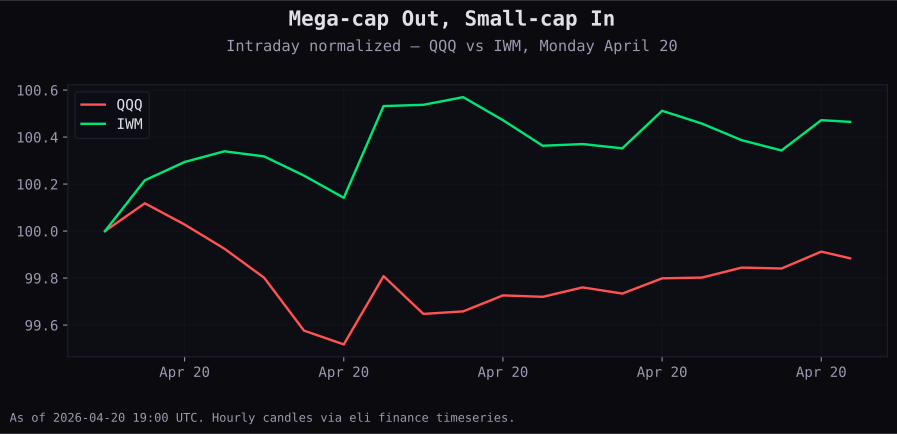
IWM +0.54%. QQQ −0.39%. Homebuilders +1.78%. Bonds not bid on a VIX +8% day. The fingerprint is inflation-shock, not flight-to-quality.
Two prediction markets are writing the off-ramp mechanically.
The contract on a US-Iran ceasefire extension by April 21 prints 38.5%. Trump's Bloomberg interview this morning called extension "highly unlikely." Iran's foreign ministry rejected a second round of talks, characterizing US demands as "childish." The IRGC retaliation for the Touska seizure is unresolved. Low-thirties is where the market is already sitting.
The contract on Trump announcing the Hormuz blockade lifted by April 30 prints 40.5%, up from the mid-twenties a week ago. That is the graceful exit: the ceasefire dies formally Wednesday, the IRGC does or does not spasm, and the blockade gets rebranded as a "safe-passage corridor" within a week. Trump preserves the public position while letting the physical flow resume. Kpler's transit count is still zero to twenty ships a day against a 138-vessel baseline — the physical is nowhere near normalized. The prediction market is pricing the political sequence, not the shipping data.
Those two numbers, read together, match the curve shape. The front-month pain resolves into structural fade; the calendar does the work regardless of whether the choreography plays out clean.