Stocks Fell After The 2pm Decision
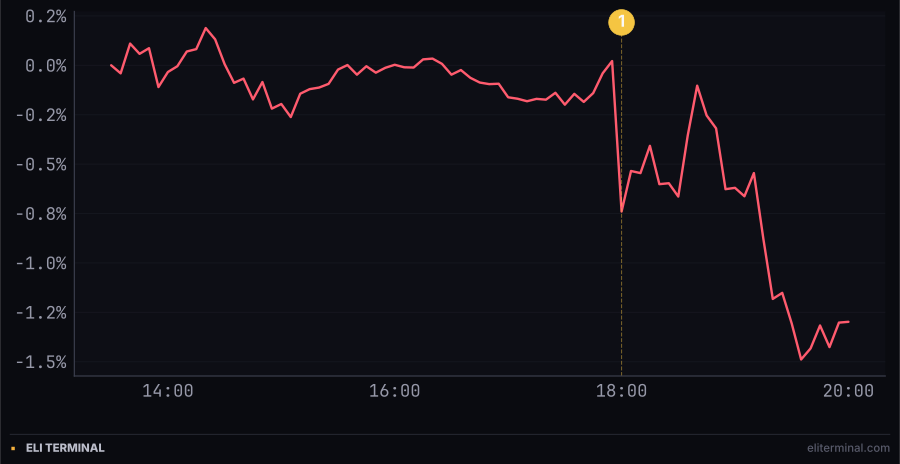
The S&P held flat into 2pm, dropped a full point on the decision, and bled to down 1.8% as Warsh spoke.
Kevin Warsh's first Fed meeting held rates but flipped the dot plot from a 2026 cut to potential hikes, with 9 of 18 officials now projecting an increase, and cut the statement to 130 words. Stocks fell 1.25%, the dollar jumped, and the long-duration froth was hit hardest, SpaceX 9.3% and Meta 5.4%, while the memory chips shrugged it off.
The S&P held flat into 2pm, dropped a full point on the decision, and bled to down 1.8% as Warsh spoke.
The Fed left its rate at 3.50 to 3.75%, as priced, but the projections did the talking. The committee erased the single 2026 cut it had penciled in March and replaced it with hikes: 9 of 18 officials now see at least one increase by year-end, and 6 see two.
That is the most hawkish shift in years, delivered on Warsh's first day. A market that spent the week betting cheaper oil would buy a dovish Fed got the opposite answer in the one document that matters, the Summary of Economic Projections.
This was a regime change in form as well as substance. The statement was slashed to 130 words from 341, stripped of the language that had signaled a bias toward cuts, and Warsh declined to submit his own dot, having long called the tool a crutch.
His message on the target was blunt. Asked about the 2% goal, Warsh said the commitment is "strong, unanimous, and unambiguous, and that's a message we've missed for five years, and we're going to fix that," adding that on inflation the "two is to the left of the decimal point, and for now, zero is to the right." He also launched five task forces to overhaul Fed operations, communications and data.
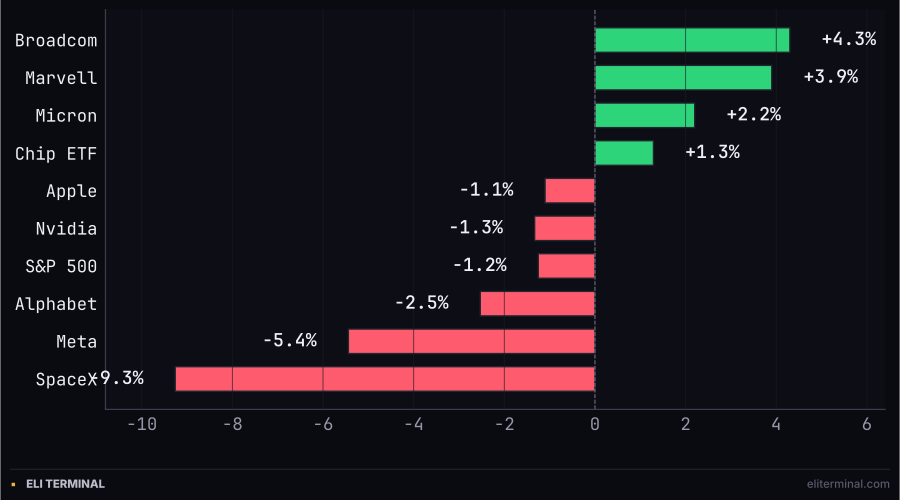
Higher-for-longer hit the highest-multiple names hardest, SpaceX and Meta, while the memory chips rose anyway.
Higher-for-longer is a discount-rate shock, and it landed on the longest-duration assets. SpaceX, four sessions into its record IPO, fell 9.3%, and Meta dropped 5.4%, the latter carrying its own weight from AI-spending and legal headlines. Alphabet, Oracle and Tesla each fell around 2.5%.
The dollar told the same story, up 0.9% to 100.39, and the VIX jumped 12% to 18.4. Front-end yields firmed while the 10-year held at 4.46%, the flattening a hawkish Fed produces when it convinces the market it will lean on growth to hold the line on prices.
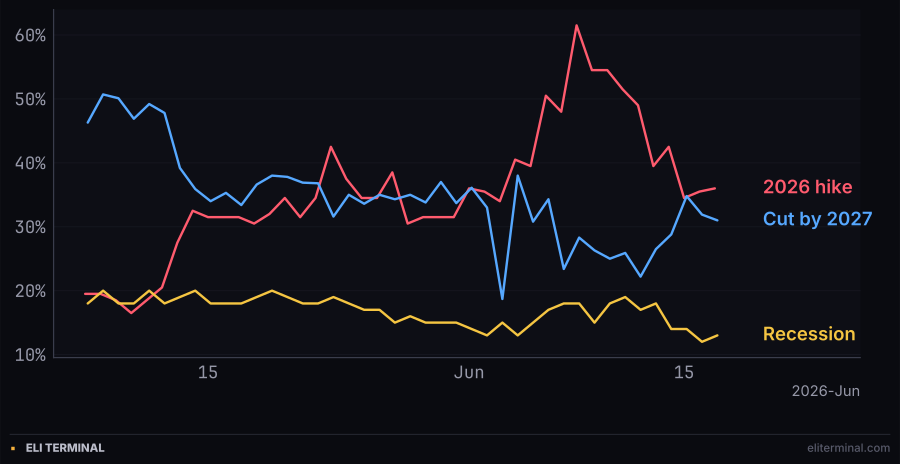
Hike odds ticked back up after the decision while cut odds fell. The dots, with 9 of 18 seeing a hike, are still more hawkish than the market.
The betting moved toward the Fed but not all the way. Odds of a 2026 hike ticked back up toward 36% and the chance of an October move rose, to 38% on the prediction markets and near 61% on CME futures, while the odds of a cut by 2027 fell to 31%.
Even so, half the committee projecting a hike is more hawkish than any of those bets. The gap is the trade now: the market thinks Warsh is bluffing the economy into submission, and the dots say he means it.
One group refused to reprice. Broadcom rose 4.3%, Marvell 3.9%, Micron 2.2%, and the chip ETF 1.3%, green on the most hawkish Fed day in years.
That is the memory shortage overriding the macro. When a product is sold out for the year and prices are still rising, a higher discount rate is an afterthought, and the suppliers that survived the whole month's volatility stayed the one part of the tape that a hawkish chair could not move.